Government & Administration
Government & Administration of Uttar Pradesh
Uttar Pradesh has a parliamentary system of government based on the Constitution of India. The state administration is responsible for implementing laws, maintaining public order, delivering essential services, managing public finances and carrying out development programmes.
The government functions through the Governor, Chief Minister, Council of Ministers, state legislature, government departments and administrative officers. District and local administrations connect the state government with citizens in towns, cities and villages.
1. Structure of the Uttar Pradesh Government
The Uttar Pradesh government operates through three major constitutional branches:
Executive: Implements laws, manages government departments and administers public services.
Legislature: Makes state laws, discusses public policies and approves the state budget.
Judiciary: Interprets laws and provides justice through courts.
These institutions have separate constitutional responsibilities and work within the framework of the Indian Constitution.
2. Governor of Uttar Pradesh
The Governor is the constitutional head of the state and is appointed by the President of India.
Major responsibilities include:
Appointing the Chief Minister.
Appointing the Council of Ministers on the advice of the Chief Minister.
Summoning and proroguing sessions of the state legislature.
Giving assent to bills passed by the legislature, or exercising other constitutional options.
Addressing the state legislature.
Performing constitutional responsibilities related to the administration of the state.
The Governor generally acts on the aid and advice of the Council of Ministers, except where the Constitution provides discretion.
3. Chief Minister and Council of Ministers
The Chief Minister is the head of the elected state government and leads the Council of Ministers.
The Chief Minister coordinates government policies, supervises the functioning of departments, chairs cabinet meetings and represents the state in important administrative and intergovernmental matters.
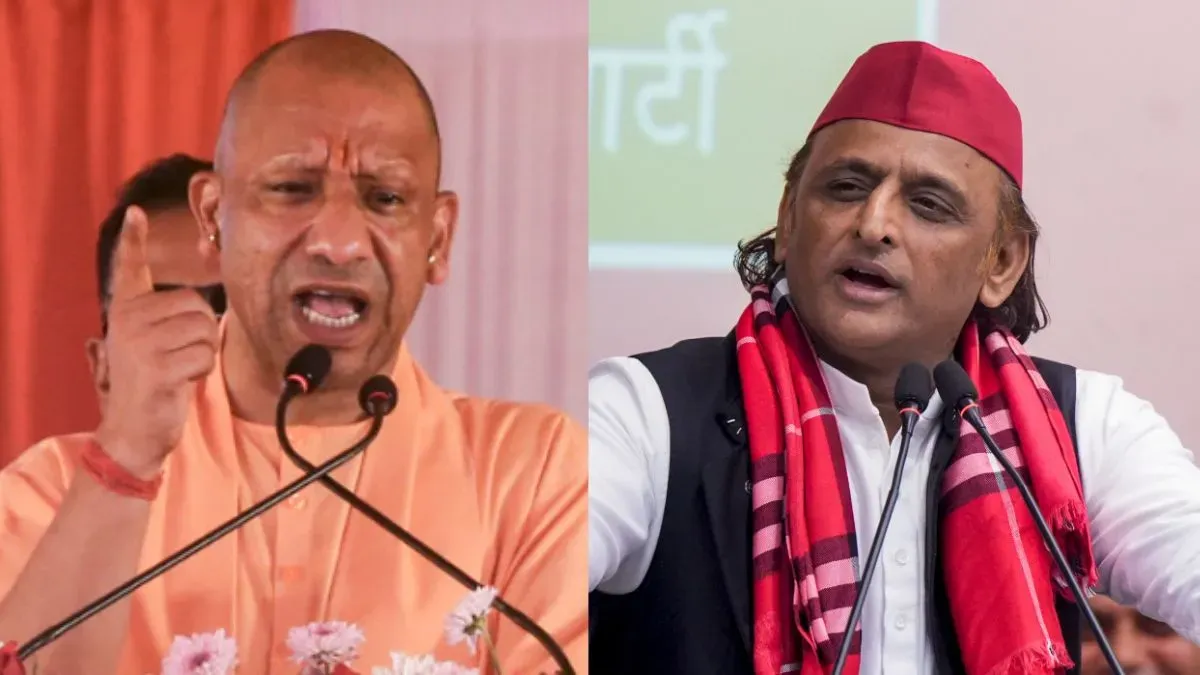
As of November 2026, Yogi Adityanath is the Chief Minister of Uttar Pradesh. Keshav Prasad Maurya and Brajesh Pathak serve as Deputy Chief Ministers.
Major Responsibilities of the Chief Minister
Leading the Council of Ministers.
Coordinating the work of different departments.
Reviewing government schemes and development projects.
Taking part in cabinet decisions.
Presenting the government's policies and priorities.
Coordinating with the Union Government and other state governments.
Reviewing administrative performance and public service delivery.
Council of Ministers
The Council of Ministers includes Cabinet Ministers, Ministers of State and Ministers of State with independent charge. Each minister is assigned one or more departments.
Major portfolios include:
Home Department
Finance Department
Agriculture Department
Education Department
Health and Family Welfare
Rural Development
Urban Development
Public Works Department
Energy Department
Revenue Department
Industrial Development
Jal Shakti Department
Social Welfare
Women and Child Development
Transport Department
Tourism and Culture
The Council of Ministers is collectively responsible to the Legislative Assembly.
4. Uttar Pradesh Legislature
Uttar Pradesh has a bicameral legislature, meaning it has two Houses:
Uttar Pradesh Legislative Assembly – Vidhan Sabha
The Vidhan Sabha is the lower House and consists of 403 elected members representing 403 Assembly constituencies.
Its major responsibilities include:
Passing state laws.
Discussing government policies and public issues.
Approving the state budget.
Questioning ministers about departmental performance.
Discussing development programmes and public expenditure.
Holding the government accountable through legislative procedures.
Members of the Legislative Assembly are elected directly by voters for a normal term of five years, unless the Assembly is dissolved earlier.
Uttar Pradesh Legislative Council – Vidhan Parishad
The Vidhan Parishad is the upper House of the state legislature and has a strength of 100 members.
Its responsibilities include examining legislation, discussing public policies and reviewing bills passed by the Legislative Assembly.
Its members are selected through different constitutional methods, including elections by local authorities, graduates and teachers, elections by members of the Legislative Assembly, and nominations by the Governor.
Role of the Speaker
The Speaker presides over the proceedings of the Legislative Assembly, maintains order during debates and ensures that legislative procedures are followed.
5. Administrative Divisions and Districts
Uttar Pradesh is administratively divided into 18 divisions and 75 districts. These divisions help coordinate government administration and development activities across the state.
Each division is headed by a Divisional Commissioner, who supervises and coordinates district-level administration within the division.
District Administration
The district is an important unit for implementing government policies and public services.
The District Magistrate (DM), also known as the District Collector, is the senior administrative officer responsible for coordinating district administration.
Major responsibilities include:
Maintaining law and order in coordination with police authorities.
Supervising revenue administration.
Coordinating government welfare schemes.
Managing disaster response and relief activities.
Supervising elections and related administrative arrangements.
Reviewing public grievances.
Coordinating the work of district-level departments.
Important District-Level Officers
District Magistrate (DM): Heads district administration and coordinates major administrative responsibilities.
Chief Development Officer (CDO): Coordinates rural development programmes, government schemes and development activities.
Superintendent of Police (SP): Heads district police administration and oversees law enforcement.
Chief Medical Officer (CMO): Supervises district-level public health services.
District Inspector of Schools (DIOS): Oversees important aspects of secondary education administration.
District Basic Education Officer (BSA): Supervises basic education administration in the district.
District Panchayat Raj Officer (DPRO): Coordinates Panchayati Raj administration and related programmes.
6. Tehsil and Block Administration
District administration is further divided into smaller administrative units to make public services accessible to citizens.
Tehsil Administration
A tehsil is an important revenue and administrative unit.
The Tehsildar supervises revenue-related work, land records, mutation processes, certificates and other administrative responsibilities.
Other officers include:
Sub-Divisional Magistrate (SDM)
Additional District Magistrate (ADM)
Naib Tehsildar
Revenue Inspector
Lekhpal
Block Administration
Development blocks are important for implementing rural development programmes.
The Block Development Officer (BDO) coordinates development activities, government schemes, rural infrastructure projects and work related to Gram Panchayats.
7. Panchayati Raj System
The Panchayati Raj system provides elected local self-government in rural areas.
It allows villagers to participate in local planning, development activities and public decision-making.
Uttar Pradesh follows a three-tier Panchayati Raj structure:
Gram Panchayat
The Gram Panchayat functions at the village level and is headed by an elected Gram Pradhan.
Its responsibilities include:
Village roads and drainage.
Drinking water and sanitation.
Street lighting and local facilities.
Implementation of rural development schemes.
Maintenance of community assets.
Participation in village-level planning.
Kshetra Panchayat
The Kshetra Panchayat functions at the block level and coordinates development activities across Gram Panchayats.
It helps implement rural infrastructure, welfare and development programmes.
Zila Panchayat
The Zila Panchayat functions at the district level and supports district-wide rural development planning, coordination and infrastructure activities.
8. Urban Local Government
Urban administration is managed through local bodies under the state's Urban Development Department.
Uttar Pradesh has three principal types of urban local bodies:
Nagar Nigam (Municipal Corporation): Governs larger urban areas and is responsible for municipal services such as roads, sanitation, drainage, waste management and street lighting.
Nagar Palika Parishad (Municipal Council): Governs smaller cities and towns and provides essential civic services.
Nagar Panchayat: Governs areas transitioning from rural to urban settlements.
Responsibilities of Urban Local Bodies
Collection and disposal of municipal waste.
Maintenance of local roads and public spaces.
Drinking water and drainage services.
Street lighting.
Registration of births and deaths.
Property tax administration.
Local urban planning and civic infrastructure.
Elected mayors, chairpersons and councillors represent citizens in urban local bodies, while municipal commissioners and executive officers manage administrative operations.
9. Major Government Departments
The Uttar Pradesh government operates through departments responsible for specific areas of public administration.
DepartmentMain ResponsibilitiesHome DepartmentInternal security, police administration and law and orderFinance DepartmentState budget, government expenditure and financial managementAgriculture DepartmentFarming, agricultural development and farmer supportBasic Education DepartmentPrimary and upper-primary educationSecondary Education DepartmentSecondary and intermediate educationMedical and Health DepartmentPublic hospitals, healthcare and health programmesRural Development DepartmentRural infrastructure and development schemesPanchayati Raj DepartmentGram Panchayats and local self-governmentUrban Development DepartmentMunicipal administration and urban servicesRevenue DepartmentLand records, revenue administration and disaster reliefPublic Works DepartmentState roads, bridges and government buildingsJal Shakti DepartmentWater resources, irrigation and water supplyEnergy DepartmentElectricity supply and power-sector administrationSocial Welfare DepartmentWelfare programmes and social assistanceWomen and Child DevelopmentWomen's welfare, child development and nutritionMSME and Industries DepartmentIndustrial development, small businesses and investmentTransport DepartmentRoad transport administration and vehicle registrationTourism and Culture DepartmentTourism development and cultural heritage
The state government also has departments responsible for forests, environment, food and civil supplies, labour, fisheries, animal husbandry, higher education, technical education and information technology.
10. Police and Law Enforcement Administration
The Home Department is responsible for important aspects of internal security and police administration.
The Uttar Pradesh Police works to maintain law and order, prevent crime, investigate offences and provide public safety services.
Important components include:
Police headquarters and senior police leadership.
Police ranges and zones.
District police administration.
Police stations and police outposts.
Traffic police.
Special investigation and intelligence units.
Emergency response services.
The Superintendent of Police or Senior Superintendent of Police generally heads district police administration, depending on the district.
11. Digital Governance and Citizen Services
The Uttar Pradesh government provides several online platforms through which citizens can access public services, submit applications and obtain government information.
Jansunwai – IGRS Portal
The Jansunwai Integrated Grievance Redressal System allows citizens to register complaints regarding government departments and public services.
Citizens can:
Register grievances online.
Track complaint status.
Send reminders for pending complaints.
Provide feedback on grievance disposal.
Official portal: https://jansunwai.up.nic.in/
UP Bhulekh
UP Bhulekh provides online access to land-record information, including records of rights and Khatauni details.
Official portal: https://upbhulekh.gov.in/
e-District Uttar Pradesh
The e-District system supports online applications for selected citizen services, including certificates and other government services.
e-Nagarsewa
The e-Nagarsewa platform provides online municipal services such as property-related services and other urban local-body facilities.
Official portal: https://e-nagarsewaup.gov.in/
Other Digital Services
Government departments also provide online services related to:
Scholarships.
Pension applications.
Ration cards.
Employment and skill development.
Land registration.
Business and industrial approvals.
Public information and government orders.
12. Law, Public Safety and Disaster Management
The state administration coordinates with police, revenue authorities, health departments and disaster management agencies to protect citizens and maintain public safety.
The Uttar Pradesh State Disaster Management Authority works on disaster preparedness, prevention, mitigation and response.
Important areas include:
Flood and drought management.
Heatwave preparedness.
Fire safety.
Emergency response.
Relief and rehabilitation.
Coordination during natural disasters.
District Disaster Management Authorities play an important role in local preparedness and emergency response.
13. Government Accountability and Public Participation
Government accountability involves transparency in decision-making, responsible use of public funds and timely delivery of public services.
Citizens can participate in governance through:
Voting in Assembly, parliamentary and local elections.
Attending Gram Sabha meetings.
Submitting public grievances.
Accessing information under the Right to Information Act.
Participating in public consultations.
Monitoring local development works.
Using government service portals.
Legislative questions, budget discussions, audit reports and public grievance systems also contribute to administrative accountability.
14. Major Administrative Challenges
Uttar Pradesh's large population and geographical spread create complex administrative responsibilities.
Some important challenges include:
Ensuring equal access to public services in rural and urban areas.
Improving government school and hospital facilities.
Maintaining roads, drainage and drinking-water infrastructure.
Reducing delays in land-record and revenue-related matters.
Improving coordination between departments.
Addressing vacancies and strengthening staff capacity.
Improving the quality and timely disposal of public grievances.
Managing urban expansion, pollution and waste.
Strengthening transparency in public procurement and development expenditure.
15. Role of Government & Administration in State Development
The government and administration play a central role in implementing development policies and improving public services.
The performance of departments, district administrations and local bodies affects education, healthcare, agriculture, employment, infrastructure, public safety and welfare delivery.
Understanding the administrative structure helps citizens identify the departments responsible for particular services, understand how government decisions are implemented and know where to raise public concerns.
Uttar Pradesh's governance system therefore connects state-level policymaking with district administration, village institutions and urban local bodies.