AMIT SHAH TAKES CHARGE OF BJP'S MISSION 2027: YOGI ASSIGNED ALLY TALKS AS NDA PARTNERS DEMAND MORE SEATS
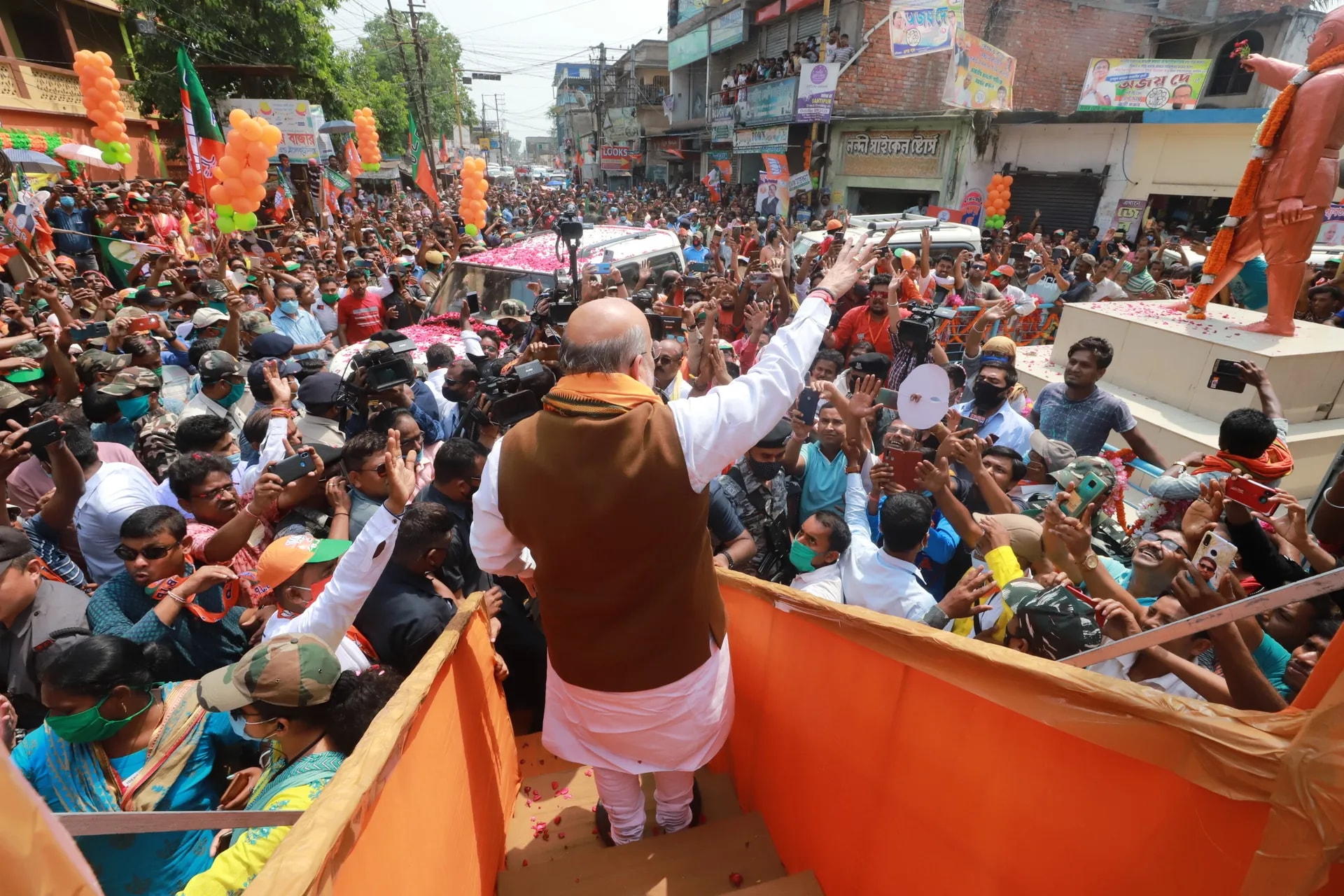
Amit Shah's Major Role in Mission 2027
According to reports, Amit Shah is expected to spend at least seven days every month in Uttar Pradesh to closely monitor the party's organisational preparations and political developments.
The decision follows a two-day brainstorming session in Mathura attended by senior BJP leaders, including Chief Minister Yogi Adityanath and BJP national president Nitin Nabin.
The discussions reportedly focused on strengthening the party's organisational network, improving coordination between the state government and the party organisation, and preparing a strategy to retain power in Uttar Pradesh.
The BJP is also considering an intensive election-management model involving constituency-level reviews, meetings with local leaders and direct engagement with party workers.
The strategy reflects the importance the central leadership is attaching to Uttar Pradesh, which sends 80 members to the Lok Sabha.
Yogi Adityanath Given Responsibility for RLD Talks
In a significant organisational move, the BJP has assigned four senior leaders to initiate discussions with its major NDA partners.
The responsibilities have reportedly been divided as follows:
Yogi Adityanath: Negotiations with RLD chief Jayant Chaudhary.
Deputy CM Brajesh Pathak: Talks with Apna Dal (Sonelal) leader Anupriya Patel.
BJP state president Pankaj Chaudhary: Discussions with Nishad Party chief Sanjay Nishad.
Deputy CM Keshav Prasad Maurya: Negotiations with SBSP chief Om Prakash Rajbhar.
These leaders are expected to assess the demands of their respective alliance partners and report their findings to the central leadership.
The final seat-sharing formula will be decided by the BJP high command.
NDA Allies Demand More Seats: BJP Faces Difficult Negotiations
The biggest challenge for the BJP is the growing expectations of its alliance partners.
According to reports, the seat demands include:
RLD: Around 30–33 seats.
Apna Dal (Sonelal): Around 17–25 seats.
SBSP: Around 19–25 seats.
Nishad Party: Around 30–36 seats.
These are reported demands and not officially finalised allocations.
The combined expectations could create a major problem for the BJP, which contested 376 of the 403 Assembly constituencies in 2022.
If all alliance partners receive the numbers they are reportedly seeking, the BJP would have to reduce its own share considerably.
This could also create dissatisfaction among BJP leaders and sitting MLAs who are expecting party tickets.
Why Are Alliance Partners Demanding More Seats?
The alliance partners are using their previous electoral performance and regional influence to strengthen their bargaining positions.
In the 2022 Assembly elections:
PartySeats contestedSeats wonApna Dal (S)1712Nishad Party106RLD338SBSP196
Apna Dal (Sonelal) and the Nishad Party are highlighting their electoral performance to justify their demands.
Meanwhile, the RLD is seeking to protect and expand its political influence in western Uttar Pradesh, particularly among Jat and other regional communities.
The SBSP is looking to strengthen its presence in eastern Uttar Pradesh, where Om Prakash Rajbhar has an established political base.
For these parties, the 2027 election is an opportunity to increase their representation and influence within the NDA government.
Can BJP Accommodate Everyone?
Uttar Pradesh has 403 Assembly constituencies, and the BJP must balance the demands of its allies with the expectations of its own leaders.
If the party gives more seats to its partners, several BJP ticket aspirants could lose their opportunities.
At the same time, refusing to accommodate alliance partners could create political friction and weaken the NDA's collective campaign.
The BJP may therefore attempt to negotiate a formula based on constituency-level strength rather than simply accepting the number of seats demanded by each party.
Constituencies where alliance partners have stronger local support could become important bargaining points.
Another challenge is the entry of Chirag Paswan's Lok Janshakti Party (Ram Vilas) into the seat-sharing discussion, with the party also expressing interest in contesting in Uttar Pradesh.
BJP's Six Jan Ashirwad Yatras and Booth-Level Strategy
Apart from alliance management, the BJP is preparing a major organisational campaign across Uttar Pradesh.
Reports indicate that the party is planning six Jan Ashirwad Yatras covering its major organisational regions:
Braj
West Uttar Pradesh
Kanpur-Bundelkhand
Kashi
Awadh
Gorakhpur
These proposed yatras are expected to culminate in a major rally in Lucknow addressed by Prime Minister Narendra Modi.
The BJP is also planning booth-level conventions and Shakti Kendra conferences to strengthen its grassroots network.
Women, young voters, first-time voters and beneficiaries of welfare schemes are expected to be among the important target groups.
The party wants to ensure that its electoral machinery is fully prepared well before the formal election campaign begins.
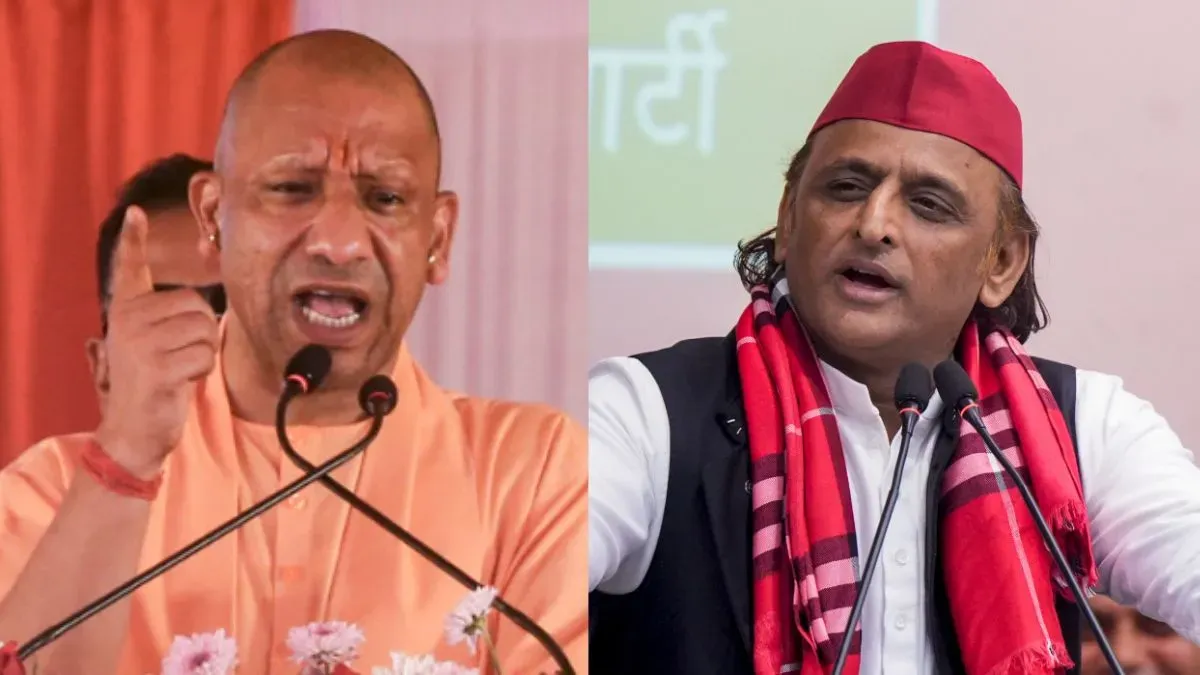
Yogi vs Akhilesh: The Bigger Political Battle
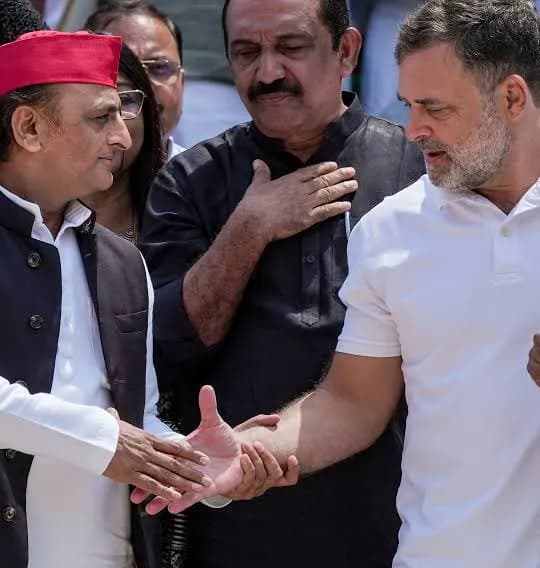
While the BJP is concentrating on its organisational preparations and NDA alliance management, the opposition Samajwadi Party led by Akhilesh Yadav is also preparing for the 2027 elections.
The BJP will attempt to defend its government and highlight development, welfare schemes and law-and-order policies.
The SP, meanwhile, is expected to focus on PDA politics, social representation, unemployment and public dissatisfaction with the government.
The Congress is also working to strengthen its position and coordinate with the Samajwadi Party.
The election could therefore become a major test of whether the BJP can retain its political dominance or whether the opposition can build a sufficiently strong coalition.
Conclusion
Amit Shah's growing involvement in Uttar Pradesh's election preparations demonstrates the importance the BJP is giving to Mission 2027.
However, the party's biggest immediate test could be managing its own NDA partners.
With RLD, Apna Dal, Nishad Party and SBSP seeking larger political representation, the BJP must strike a balance between alliance unity and its own organisational interests.
The final seat-sharing agreement will reveal how much importance the BJP is prepared to give its regional partners.
For Yogi Adityanath, the challenge is to retain power while maintaining coordination with the central leadership and alliance partners.
The 2027 election battle has not officially begun, but the political negotiations suggest that Uttar Pradesh is already entering a crucial election-preparation phase.