Legislative Assembly
Uttar Pradesh Legislative Assembly (Vidhan Sabha)
The Uttar Pradesh Legislative Assembly, popularly known as the Vidhan Sabha, is the elected lower house of the state's legislature. It is responsible for making state laws, approving government expenditure, discussing public issues and holding the state government accountable.
Uttar Pradesh has 403 Assembly constituencies, making its Legislative Assembly the largest state legislative assembly in India by the number of elected seats. The Assembly meets in Lucknow, the state capital.
1. Structure of the Uttar Pradesh Legislative Assembly
Uttar Pradesh has a bicameral legislature consisting of two Houses:
Legislative Assembly (Vidhan Sabha): The lower House, consisting of 403 elected members.
Legislative Council (Vidhan Parishad): The upper House, consisting of 100 members.
Members of the Legislative Assembly are directly elected by voters from their respective constituencies.
The normal term of the Assembly is five years, unless it is dissolved earlier according to constitutional provisions.
The first Uttar Pradesh Legislative Assembly was constituted on 8 March 1952. The current House is the 18th Legislative Assembly, constituted in March 2022.
2. Current Leadership of the Assembly
The Assembly has elected representatives who occupy important parliamentary positions and oversee its proceedings.
As of November 2026:
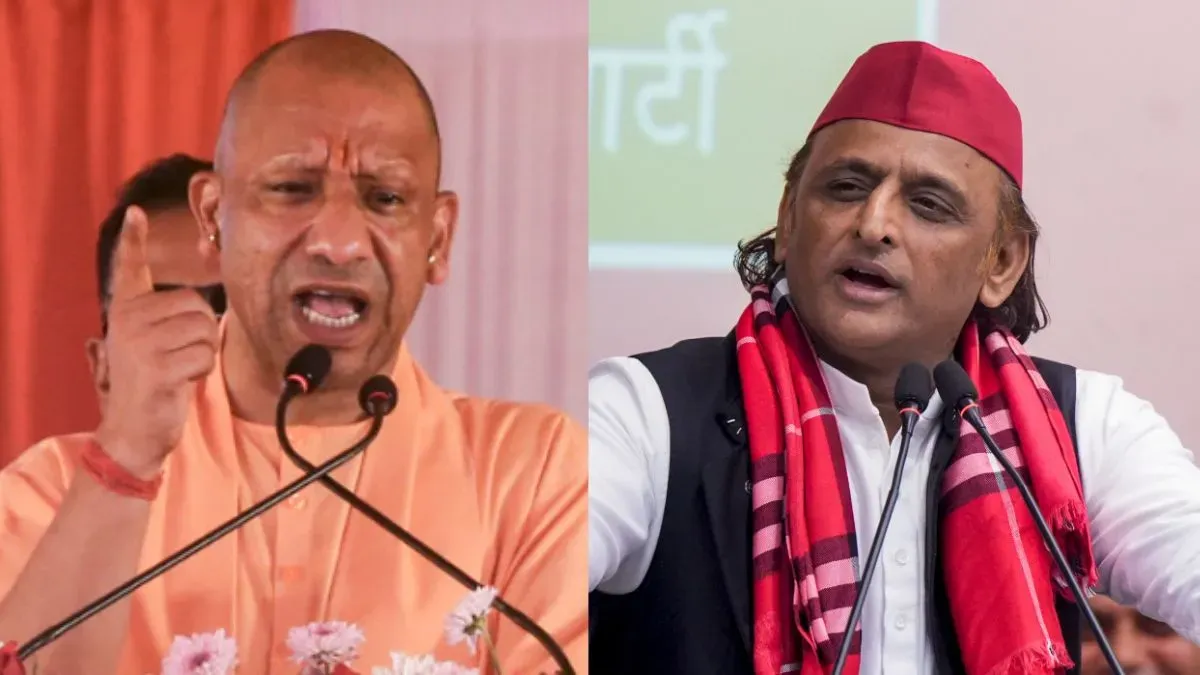
Chief Minister and Leader of the House: Yogi Adityanath
Speaker: Satish Mahana
Leader of the Opposition: Mata Prasad Pandey
Governor of Uttar Pradesh: Anandiben Patel
The Speaker presides over Assembly proceedings and ensures that debates and legislative business are conducted according to established rules.
3. Role and Powers of the Legislative Assembly
The Legislative Assembly performs several important constitutional and democratic functions.
Lawmaking
The Assembly discusses and passes bills concerning matters within the state's legislative authority.
These include subjects such as:
Agriculture and irrigation.
Public health and sanitation.
Education.
Police and public order.
Local government.
State roads and infrastructure.
Agriculture markets and land-related matters.
Industries and economic development.
Bills may also require consideration by the Legislative Council and the Governor, depending on the constitutional procedure applicable to them.
Financial Powers
The state government cannot spend public money without the required legislative authorisation.
The Assembly examines and approves:
Annual state budgets.
Demands for grants by government departments.
Appropriation Bills.
Supplementary budget proposals.
Other financial proposals requiring legislative approval.
The Assembly has the primary authority over Money Bills in the state legislature.
Holding the Government Accountable
The Assembly provides a platform where elected representatives can question ministers about government decisions and departmental performance.
Members can raise issues involving:
Roads and transport.
Electricity supply.
Farmers and agricultural policies.
Schools and colleges.
Hospitals and healthcare.
Employment and public welfare.
Law and order.
Drinking water and sanitation.
The Council of Ministers is collectively responsible to the Legislative Assembly.
4. Speaker of the Legislative Assembly
The Speaker is the presiding officer of the Vidhan Sabha and is elected by the Assembly members.
The Speaker's responsibilities include:
Conducting Assembly sessions.
Maintaining order during debates.
Deciding who may speak during proceedings.
Interpreting and applying the Assembly's rules.
Deciding questions relating to the admissibility of notices and motions.
Referring matters to legislative committees.
Performing functions under the anti-defection provisions of the Constitution, subject to judicial review.
Satish Mahana is the Speaker of the 18th Uttar Pradesh Legislative Assembly.
5. Ruling Party and Opposition
The Assembly consists of members belonging to the ruling parties, opposition parties and other political groups.
The ruling side forms the state government and introduces its legislative and financial proposals.
The opposition examines government policies, raises public concerns, questions ministers and participates in debates on legislation and expenditure.
Major Political Parties Represented
Bharatiya Janata Party (BJP)
Samajwadi Party (SP)
Apna Dal (Soneylal)
Rashtriya Lok Dal (RLD)
Suheldev Bharatiya Samaj Party (SBSP)
Nirbal Indian Shoshit Hamara Aam Dal (NISHAD Party)
Indian National Congress (INC)
Jansatta Dal Loktantrik
The number of members belonging to each party can change because of by-elections, resignations, disqualifications and other developments.
6. Legislative Assembly Sessions
The Assembly meets during sessions summoned by the Governor.
Sessions provide opportunities for members to discuss legislation, government policies, public expenditure and issues affecting their constituencies.
Important types of legislative business include:
Question Hour
Members ask ministers questions about government departments, policies, public services and administrative decisions.
Ministers are required to respond according to Assembly rules.
Zero Hour and Special Mentions
Members can raise urgent public matters and bring important constituency-related issues to the attention of the government, subject to the House's procedures.
Legislative Debates
Members discuss proposed laws, amendments, government policies and other matters placed before the House.
Budget Session
The state government's annual financial proposals are presented and examined. Members discuss departmental expenditure and demands for grants before the required financial legislation is passed.
Motion of Thanks
Following the Governor's address at the beginning of the first session of the year and after a general election, members discuss the government's policy statement and programme.
7. Legislative Committees
Legislative committees examine government expenditure, departmental work, proposed legislation and other matters in greater detail.
They help the Assembly perform its oversight responsibilities beyond the time available during regular House proceedings.
Important committee functions include:
Examining public expenditure.
Reviewing government accounts and audit observations.
Examining the work of public sector undertakings.
Considering issues referred by the Speaker.
Reviewing departmental reports and public policy matters.
Examining petitions and matters raised by members.
Public Accounts Committee
The Public Accounts Committee examines government expenditure and reports of the Comptroller and Auditor General (CAG).
Estimates Committee
The Estimates Committee examines budget estimates and considers whether public funds are being used efficiently.
Committee on Public Undertakings
This committee examines the functioning and financial performance of selected public sector undertakings and government corporations.
Committee membership and terms of reference are governed by the Assembly's rules.
8. Important Bills and Legislation
The Uttar Pradesh Legislative Assembly considers bills relating to the administration and development of the state.
Examples of legislative subject areas include:
Education and universities.
Agriculture and farmer welfare.
Urban development and municipal administration.
Panchayati Raj institutions.
Industrial investment and employment.
Public health and medical services.
Land and revenue administration.
Police and public safety.
Social welfare and public assistance.
After a bill is introduced, it may undergo debate, committee examination and amendments before the House votes on it.
Once the required legislative procedure is completed, the bill is presented for the Governor's assent or other constitutional action.
9. Constituency Representation and MLAs
Each of Uttar Pradesh's 403 Assembly constituencies elects one Member of the Legislative Assembly (MLA).
An MLA represents the people of their constituency in the state legislature.
Main Responsibilities of an MLA
Raising local public issues in the Assembly.
Participating in debates and voting on bills.
Discussing government budgets and policies.
Communicating citizens' concerns to government departments.
Monitoring local development needs.
Participating in constituency-level public activities.
Citizens can approach their elected MLA regarding public infrastructure, government services, local development and other constituency-related concerns.
10. Women in the Uttar Pradesh Legislative Assembly
Women participate in state politics as elected representatives, ministers and members of legislative committees.
Their representation in the Assembly is an important part of discussions about political participation and gender equality.
The 2022 Assembly election brought women candidates into the legislature from constituencies across Uttar Pradesh.
Increasing women's participation in elections, political parties and legislative decision-making remains an important subject in discussions about democratic representation.
11. Digital Legislative Governance – e-Vidhan
The Uttar Pradesh Legislature uses the National e-Vidhan Application (NeVA) to support digital legislative processes.
The system is intended to make legislative work more accessible and reduce dependence on paper-based documentation.
Digital legislative facilities include:
Access to legislative documents.
Digital notices and questions.
Session information.
Legislative business and proceedings.
Access to bills and related documents.
Digital support for members and legislative staff.
The 2026 Budget Session of the Uttar Pradesh Legislature was conducted using the e-Vidhan application, with the Assembly and Council operating through a paperless legislative process.
12. History of the Uttar Pradesh Legislative Assembly
The Uttar Pradesh Legislative Assembly has played a central role in the state's political and administrative development since the beginning of the Republic.
Important milestones include:
1952: The first Uttar Pradesh Legislative Assembly was constituted after India's first general election.
1967: The Assembly's strength was revised following changes in its composition.
2000: Uttar Pradesh was reorganised and Uttarakhand was formed as a separate state.
2022: The 18th Legislative Assembly was constituted following the state Assembly election.
2026: The Legislature continued its work through sessions and digital legislative processes, including the paperless Budget Session.
13. How Citizens Can Follow Assembly Proceedings
Citizens, researchers, students and journalists can follow the work of the Uttar Pradesh Legislative Assembly through its official online platforms.
They can access information about:
Current and previous Assembly members.
Legislative sessions and calendars.
Questions and notices.
Bills and legislative documents.
Debates and discussions.
Committee information.
Government statements and Assembly proceedings.
Official websites:
Uttar Pradesh Legislative Assembly: https://www.upvidhansabhaproceedings.gov.in/
National e-Vidhan Application: https://upvs.neva.gov.in/
14. Importance of the Legislative Assembly in Uttar Pradesh
The Legislative Assembly is a central institution of representative democracy in Uttar Pradesh. It provides elected representatives with a constitutional platform to make laws, approve public expenditure and discuss matters affecting the state's population.
Its work influences education, healthcare, agriculture, infrastructure, employment, public safety and welfare programmes.
Following Assembly debates, questions, bills and committee reports helps citizens understand how decisions are made and how the elected government is held accountable.