UP politics
Uttar Pradesh Politics
Uttar Pradesh is one of the most politically significant states in India. Its political importance comes from its large population, 403 Legislative Assembly constituencies and 80 Lok Sabha seats. Decisions made by the state government influence areas such as agriculture, education, employment, healthcare, infrastructure, law and order and social welfare.
Politics in Uttar Pradesh includes national and regional political parties, coalition governments, opposition movements, caste and community representation, rural and urban issues, elections and public policy debates.
1. Political Structure of Uttar Pradesh
Uttar Pradesh follows the parliamentary system of government established by the Constitution of India.
The state's political and legislative system consists of:
Governor: Constitutional head of the state.
Chief Minister: Head of the elected state government.
Council of Ministers: Responsible for government departments and policy implementation.
Legislative Assembly (Vidhan Sabha): Lower House with 403 elected members.
Legislative Council (Vidhan Parishad): Upper House with 100 members.
Members of Parliament: Uttar Pradesh elects 80 representatives to the Lok Sabha.
Local Government: Includes municipal corporations, municipal councils, Nagar Panchayats and the three-tier Panchayati Raj system.
The Legislative Assembly is responsible for making state laws, approving the state budget and holding the government accountable.
2. Current Political Leadership
As of November 2026, the major constitutional and political leadership positions include:
Governor: Anandiben Patel
Chief Minister: Yogi Adityanath
Speaker of the Legislative Assembly: Satish Mahana
Leader of the Opposition: Mata Prasad Pandey
Yogi Adityanath has served as Chief Minister since March 2017 and began his second consecutive term in March 2022.
Mata Prasad Pandey of the Samajwadi Party has served as Leader of the Opposition since July 2024.
3. Major Political Parties in Uttar Pradesh
Uttar Pradesh has several national and regional political parties. Their political positions, election alliances and representation have changed across different election cycles.
Bharatiya Janata Party (BJP)
The Bharatiya Janata Party is a major political party in Uttar Pradesh. It returned to power in the state in 2017 and formed the government again after the 2022 Assembly election.
The party's political agenda includes governance, infrastructure development, religious and cultural issues, welfare schemes, law and order, investment and economic development.
Important leaders: Yogi Adityanath, Keshav Prasad Maurya, Brajesh Pathak and other state and national party leaders.
Samajwadi Party (SP)
The Samajwadi Party was founded in 1992 by Mulayam Singh Yadav. It has a long political history in Uttar Pradesh and has formed state governments under Mulayam Singh Yadav and Akhilesh Yadav.
The party discusses issues such as social justice, employment, farmers' welfare, education, healthcare, rural development and political representation.
Important leaders: Akhilesh Yadav, Shivpal Singh Yadav and Mata Prasad Pandey.
Bahujan Samaj Party (BSP)
The Bahujan Samaj Party was founded in 1984 by Kanshi Ram. It has played an important role in the political representation of Dalits and other disadvantaged communities in Uttar Pradesh.
Mayawati has served as Chief Minister of Uttar Pradesh four times.
The party's political agenda has historically focused on social equality, constitutional rights, political representation, education and welfare of disadvantaged communities.
Important leader: Mayawati.
Indian National Congress (INC)
The Indian National Congress has a long history in Uttar Pradesh politics and played a major role in the state's political administration during the early decades after independence.
The party raises issues concerning employment, farmers, constitutional institutions, social welfare, education, healthcare and democratic rights.
Important leaders: Rahul Gandhi, Priyanka Gandhi Vadra and other state-level leaders.
Rashtriya Lok Dal (RLD)
The Rashtriya Lok Dal has a historical political presence in western Uttar Pradesh, particularly in regions where agriculture and rural communities are important political issues.
The party has focused on farmers' interests, agricultural policies, rural development and regional representation.
Important leader: Jayant Chaudhary.
Other Regional Parties
Other parties also participate in Uttar Pradesh politics and influence political alliances and constituency-level representation.
These include:
Apna Dal (Soneylal)
Suheldev Bharatiya Samaj Party (SBSP)
Nirbal Indian Shoshit Hamara Aam Dal (NISHAD Party)
Jansatta Dal Loktantrik
Aazad Samaj Party (Kanshi Ram)
All India Majlis-e-Ittehadul Muslimeen (AIMIM)
4. History of Politics in Uttar Pradesh
Uttar Pradesh has experienced several political changes since independence. Different parties and political leaders have formed governments, introduced policies and influenced the state's political development.
1950s and 1960s: Congress Dominance
After independence, the Indian National Congress dominated Uttar Pradesh politics. The party formed successive state governments and played a central role in the state's early political administration.
1967–1980s: Political Competition and Coalition Governments
The 1967 Assembly election marked an important change in Uttar Pradesh politics. The Congress lost its earlier dominance, and opposition parties participated in coalition governments.
The following decades saw changes in political alliances, leadership and government formation.
1990s: Rise of Regional Political Parties
The 1990s brought major changes to Uttar Pradesh politics.
The Samajwadi Party and Bahujan Samaj Party emerged as influential political forces. Caste representation, social justice, Mandal politics, religious mobilisation and coalition arrangements became important subjects in state politics.
2000–2012: Changing Governments
The formation of Uttarakhand in 2000 changed the geographical and administrative boundaries of Uttar Pradesh.
The state experienced governments led by the Samajwadi Party, Bahujan Samaj Party and other political arrangements.
Mayawati's government from 2007 to 2012 and Akhilesh Yadav's government from 2012 to 2017 were important periods in the state's political history.
2017–2022: BJP Government
The BJP won a majority in the 2017 Assembly election, and Yogi Adityanath became Chief Minister.
The government focused on infrastructure, law and order, investment, welfare schemes and religious tourism.
2022–Present: Second Consecutive BJP Government
The BJP won the 2022 Assembly election and formed the government for a second consecutive term, with Yogi Adityanath continuing as Chief Minister.
The period has included discussions on infrastructure projects, employment, education, agricultural policies, public welfare, investment and administrative reforms.
5. Uttar Pradesh Assembly Elections
The Uttar Pradesh Legislative Assembly has 403 elected seats. A political party or alliance needs at least 202 seats to secure a simple majority.
Assembly elections determine which political party or alliance forms the state government.
Assembly Election Results – 2017 and 2022
Political Party2017 Seats2022 SeatsBJP312255Samajwadi Party47111Bahujan Samaj Party191Congress72Apna Dal (Soneylal)912Rashtriya Lok Dal18SBSP46
The 2022 election saw the BJP retain the state government, while the Samajwadi Party increased its Assembly representation compared with 2017.
6. Lok Sabha Politics in Uttar Pradesh
Uttar Pradesh elects 80 Members of Parliament to the Lok Sabha, the highest number among Indian states.
The state's parliamentary representation has an important role in the formation of the Union Government and national legislative debates.
Lok Sabha Election Results – 2024
Political PartySeats WonSamajwadi Party37BJP33Congress6Rashtriya Lok Dal2Apna Dal (Soneylal)1Aazad Samaj Party (Kanshi Ram)1Total80
The 2024 election resulted in representation from several political parties and alliances across the state's parliamentary constituencies.
7. Caste and Social Representation in Uttar Pradesh Politics
Social representation has been an important part of electoral politics in Uttar Pradesh.
Political parties engage with different communities and discuss issues concerning representation, education, employment, welfare and access to public services.
Important political and social categories in state-level discussions include:
Scheduled Castes.
Scheduled Tribes.
Other Backward Classes.
Extremely Backward Communities.
General-category communities.
Religious minorities.
Women and youth.
Rural and urban populations.
Political debates also cover reservation policies, social equality, access to education, economic opportunities and representation in public institutions.
8. Major Political Issues in Uttar Pradesh
Politics in Uttar Pradesh is influenced by issues affecting citizens across villages, towns and cities.
Agriculture and Farmers
Agriculture is an important part of the state's economy and political discussion.
Major issues include:
Minimum Support Price and government procurement.
Sugarcane prices and payment delays.
Irrigation and canal infrastructure.
Electricity for agricultural use.
Crop insurance.
Fertiliser and seed availability.
Agricultural markets and storage facilities.
Farmer income and rural employment.
Employment and Youth
Employment and recruitment are important issues in state politics.
Political debates include government vacancies, recruitment examinations, private-sector investment, skill development, competitive examinations and employment opportunities for young people.
Education
Education-related political discussions cover government school infrastructure, teacher recruitment, higher education, scholarships, examination systems, technical education and access to quality education in rural areas.
Healthcare
Healthcare is another major public policy issue.
Important subjects include district hospitals, medical colleges, doctors and nursing staff, rural healthcare facilities, affordable treatment and public health programmes.
Law and Order
Political parties discuss policing, crime prevention, women's safety, public security, investigation procedures and the functioning of law enforcement agencies.
Infrastructure and Development
Major development issues include expressways, highways, railways, airports, metro systems, electricity, drinking water, industrial corridors and urban infrastructure.
Social Welfare
Welfare-related political debates include pensions, ration distribution, housing, scholarships, financial assistance, women's welfare and benefits for economically disadvantaged families.
9. Government Policies and Political Debates
Government policies are a central part of political competition in Uttar Pradesh.
Political parties discuss the design, funding, implementation and outcomes of programmes in different sectors.
Major areas of policy discussion include:
Farmer support and agricultural procurement.
Electricity supply and energy infrastructure.
Housing and rural development.
Public distribution and food security.
School education and scholarships.
Healthcare and medical infrastructure.
Industrial investment and employment.
Women's safety and empowerment.
Urban development and public transport.
Religious tourism and cultural heritage.
The performance of these policies is often discussed in the Legislative Assembly, election campaigns, public meetings and media debates.
10. Regional Politics Across Uttar Pradesh
Political issues differ across the state's regions because of differences in geography, agriculture, industries, population and local development needs.
Western Uttar Pradesh
Western Uttar Pradesh has an important agricultural economy, including sugarcane cultivation and dairy farming. Farmers' organisations, irrigation, sugar mills, rural infrastructure and regional economic development are important political subjects.
Awadh Region
The Awadh region includes Lucknow and several surrounding districts. State administration, education, healthcare, urban infrastructure, agriculture and public services are important political issues.
Purvanchal (Eastern Uttar Pradesh)
Eastern Uttar Pradesh has a large rural population and important agricultural and industrial development needs. Healthcare, employment, flood management, education, transport and infrastructure are major public policy subjects.
Bundelkhand
Bundelkhand faces development concerns relating to water availability, irrigation, drought management, agriculture, employment and rural infrastructure.
Rohilkhand
Rohilkhand's political and development discussions include agriculture, sugarcane, education, healthcare, urban services and regional infrastructure.
11. Role of Opposition Politics
Opposition parties are an important part of Uttar Pradesh's democratic system.
They raise questions about government policies, participate in Assembly proceedings and present alternative political and administrative proposals.
The Samajwadi Party is the principal opposition party in the 18th Legislative Assembly. Other political parties, including the BSP and Congress, also participate in electoral politics and public debates.
Opposition activity includes:
Legislative questions and debates.
Public meetings and political campaigns.
Raising constituency-level issues.
Criticism of government policies.
Discussions on budget expenditure.
Presenting alternative policy proposals.
12. Upcoming Uttar Pradesh Assembly Election 2027
The next regular Uttar Pradesh Assembly election is due in 2027.
The election will cover all 403 Assembly constituencies and determine the composition of the next state government.
Political parties have begun organisational preparations, public outreach and discussions about constituency-level strategies.
Important developments to follow include:
BJP and its alliance partners' preparations.
Samajwadi Party's organisational activities.
Congress and Samajwadi Party alliance discussions.
BSP's independent political preparations.
Candidate announcements.
Election manifestos.
Public meetings and campaign programmes.
Official polling schedule and voter turnout.
The Election Commission of India will announce the official election programme.
13. Political Alliances in Uttar Pradesh
Political alliances influence candidate selection, constituency-level campaigns and government formation.
The BJP-led National Democratic Alliance includes regional partners such as Apna Dal (Soneylal), RLD, SBSP and the NISHAD Party.
The Samajwadi Party and Congress have cooperated electorally, including during the 2024 Lok Sabha election.
The BSP has maintained its separate political organisation and has stated that it intends to contest the 2027 Assembly election independently.
Alliance arrangements can change before elections, so official party announcements should be used when publishing updates.
14. Role of Citizens in Uttar Pradesh Politics
Citizens participate in the political system through elections, public discussions and democratic institutions.
Their participation includes:
Voting in Assembly and Lok Sabha elections.
Participating in Panchayat and municipal elections.
Attending public meetings and Gram Sabha sessions.
Raising local development issues.
Contacting elected representatives.
Following Assembly debates and government decisions.
Accessing public information through the Right to Information Act.
Discussing policies and public expenditure.
Public participation helps connect political decisions with the needs of local communities.
15. Importance of Uttar Pradesh Politics in National Politics
Uttar Pradesh has a major role in national political developments because it elects 80 Lok Sabha members.
The state's parliamentary results can influence the distribution of seats in the Lok Sabha and the formation of the Union Government.
Political developments in Uttar Pradesh are therefore closely followed by national political parties, policymakers, researchers and citizens.
Understanding the state's political history, parties, elections, government policies and regional issues provides a broader picture of Indian democracy and governance.
UP politics News
केशव मौर्य का पलटवार बोले 2027 में फिर खिलेगा कमल
उप मुख्यमंत्री बोले - सपा-कांग्रेस साथ लड़ें या अलग, भाजपा दोनों को हराएगी, साइकिल पंक्चर हो चुकी है
By Karishma • 37 views
अखिलेश का जीतने वाला फॉर्मूला योगी को दिया राधे-राधे वाला जवाब
अखिलेश बोले सीट उसी को मिलेगी जो जीत सकता है, अखिलेश सुन रहे हैं वेबसाइट से युवाओं को जोड़ेंगे
By Karishma • 0 views
बहुजन समाज पार्टी के राष्ट्रीय संयोजक आकाश आनंद आकाश बोले गुस्सा नहीं हिसाब करूंगा 10 साल में 25 हजार से ज्यादा स्कूल बंद हुए
आकाश आनंद का आगरा एत्मादपुर में धमाका भाजपा सपा कांग्रेस तीनों को घेरा
By Karishma • 53 views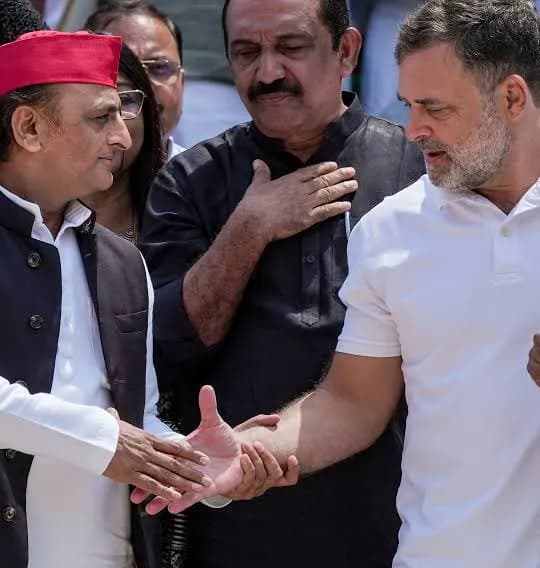
SP–CONGRESS SEAT-SHARING BATTLE: AKHILESH YADAV'S WINNABILITY FORMULA CLASHES WITH CONGRESS'S 181-SEAT DEMAND AHEAD OF UP 2027
The political preparations for the 2027 Uttar Pradesh Assembly elections are gaining momentum, with the Samajwadi Party (SP) and Congress beginning discussions over seat-sharing within the INDIA bloc. However, differences over the number of constituencies each party should contest have already become a major talking point. Congress has reportedly submitted a list of 181 constituencies, seeking a larger role in the upcoming election. Meanwhile, Samajwadi Party president Akhilesh Yadav has made it clear that seat distribution should depend on the winnability of candidates rather than simply the number of seats demanded by an alliance partner. With formal discussions scheduled to begin in New Delhi on November 23, the negotiations will be an important test of the opposition alliance's coordination ahead of the election.
By C Sunil Kumar • 60 views
यूपी चुनाव की सीट बंटवारे पर दिल्ली में बड़ी बैठक सपा कांग्रेस की दो दिन चलेगा मंथन
प्रियंका गांधी ने संभाली कमान, कांग्रेस हर लोकसभा में एक सीट चाहती है सपा जीतने की संभावना को बनाएगी आधार
By Karishma • 52 views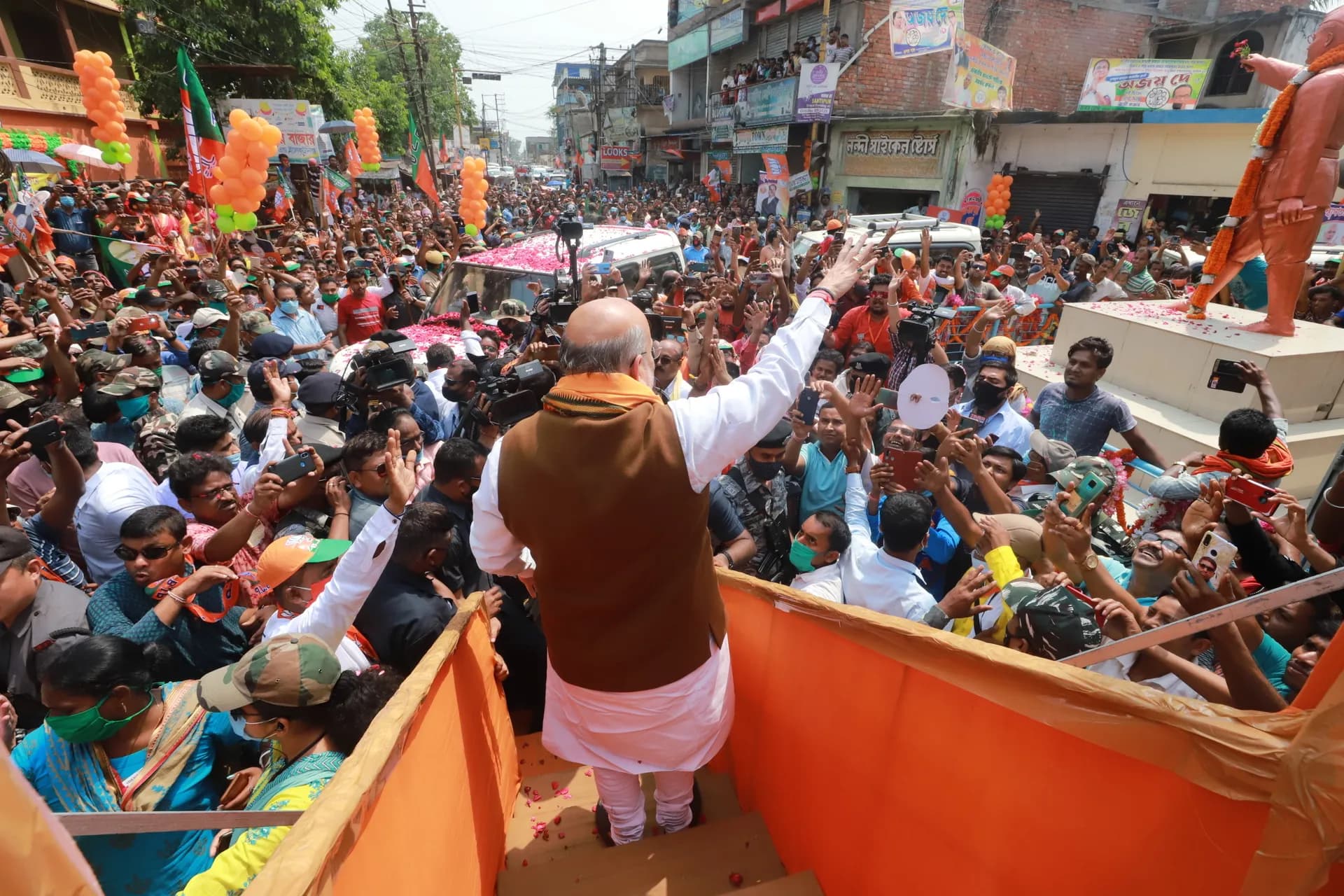
AMIT SHAH TAKES CHARGE OF BJP'S MISSION 2027: YOGI ASSIGNED ALLY TALKS AS NDA PARTNERS DEMAND MORE SEATS
The political battle for Uttar Pradesh has already begun, even though the 2027 Assembly elections are still months away. The BJP has accelerated its preparations, with Union Home Minister Amit Shah taking a central role in shaping the party's Mission 2027 strategy. The biggest immediate challenge for the BJP is not just defeating the opposition Samajwadi Party and Congress alliance, but also managing growing seat-sharing demands from its own NDA partners. With Rashtriya Lok Dal (RLD), Apna Dal (Sonelal), Nishad Party and Suheldev Bharatiya Samaj Party (SBSP) seeking a significant share of Assembly constituencies, the BJP leadership has started preliminary negotiations well ahead of the elections. The development signals that the BJP wants to settle alliance differences early rather than face disagreements during the election campaign.
By C Sunil Kumar • 62 views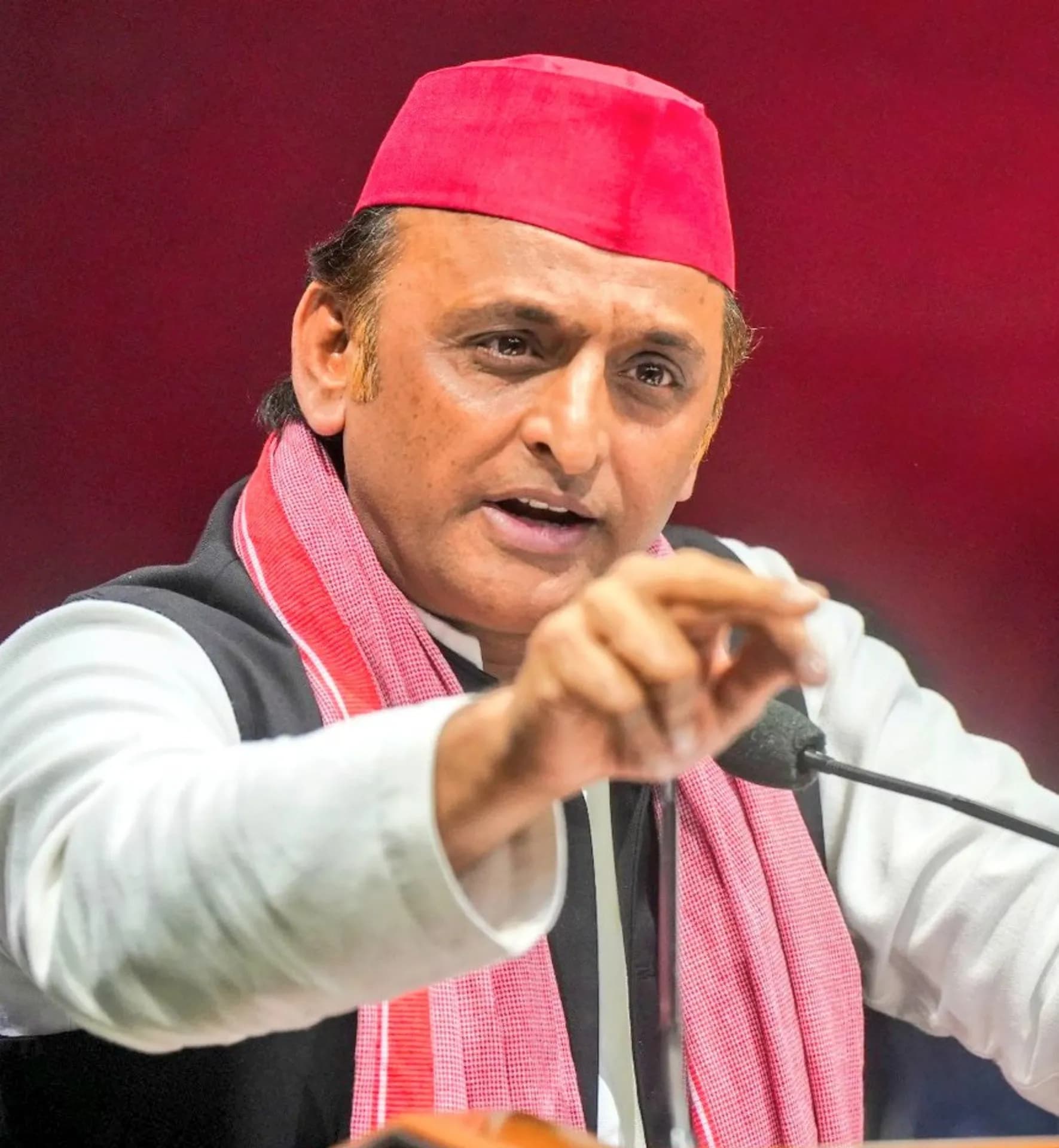
AKHILESH YADAV TARGETS UP BUREAUCRACY: SP PLANS ELECTION COMMISSION COMPLAINT AGAINST OFFICIALS ACCUSED OF WORKING FOR BJP
The political atmosphere in Uttar Pradesh is heating up ahead of the 2027 Assembly elections, with Samajwadi Party (SP) president Akhilesh Yadav raising serious questions about the neutrality of government officials and police personnel in the state. In a major political statement in Lucknow, Akhilesh alleged that certain administrative and police officials were functioning like BJP party workers instead of carrying out their duties impartially. He announced that the Samajwadi Party would approach the Election Commission of India (ECI) with a detailed complaint, seeking action against officials whom the party believes have acted unfairly. The development has added another dimension to the political confrontation between the ruling BJP and the opposition SP, particularly as both parties prepare their organisational strategies for the next Assembly election.
By C Sunil Kumar • 12 views
UP Legislative Council Election Results 2026: 11 MLC Seats - Graduates & Teachers Constituency Winners List Out
UP Rajya Sabha Election Result 2026 BJP Wins 8 Seats, SP Gets 2 All 10 Candidates Elected Unopposed
By Karishma • 43 views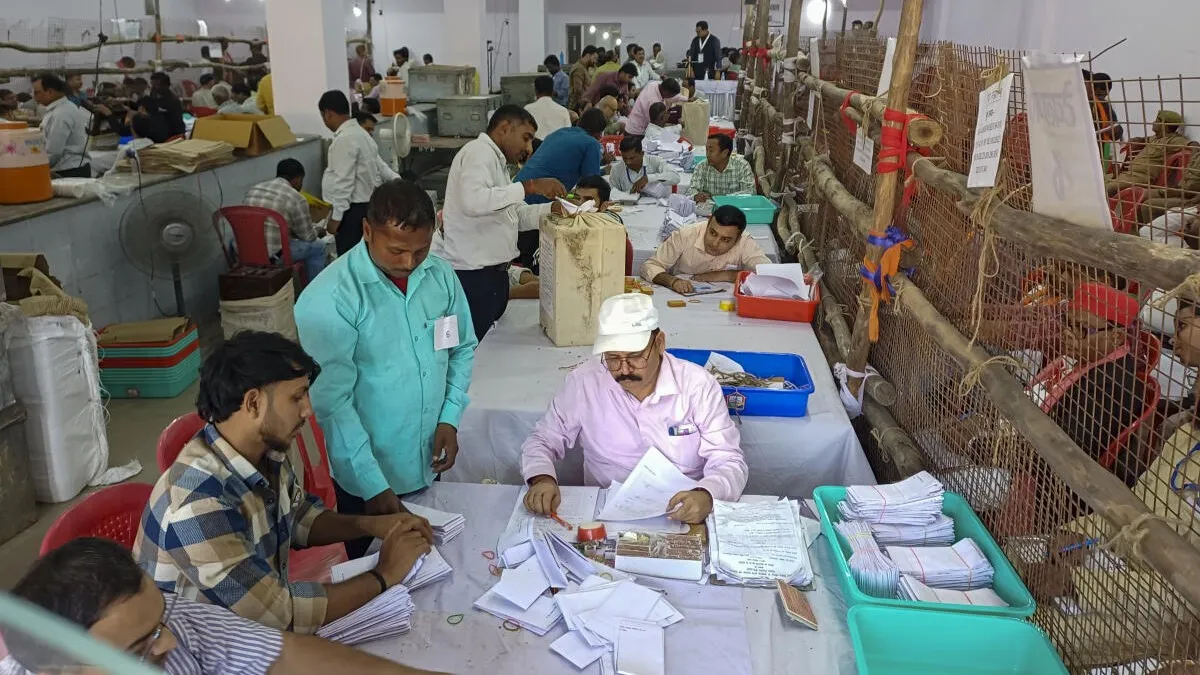
UP MLC Election Results 2026: BJP Wins 6 Seats, Samajwadi Party Secures 5; SP Wins Varanasi and Lucknow
The BJP won six of the 11 Uttar Pradesh Legislative Council seats, while the Samajwadi Party secured five. SP candidates Ashutosh Sinha and Kanti Singh won the closely watched Varanasi and Lucknow Graduates’ constituencies, respectively, giving the party a stronger position ahead of the 2027 Assembly elections.
By Haripriya • 43 views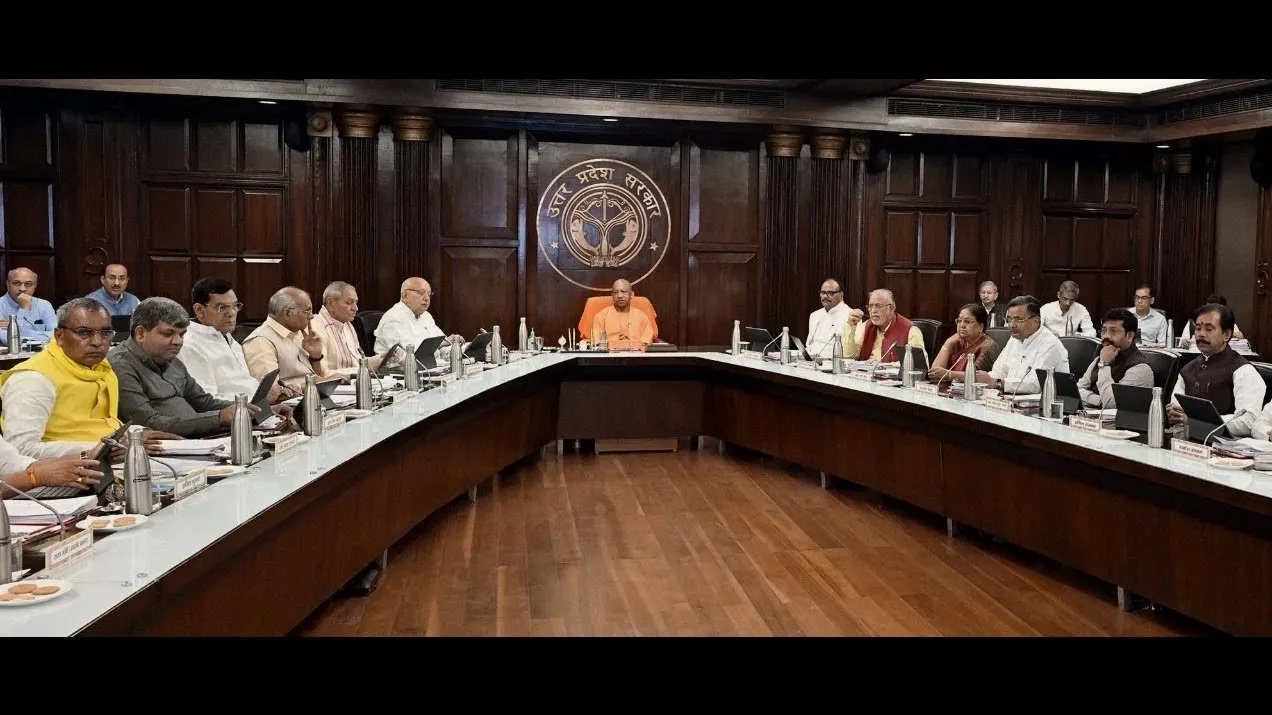
Yogi Adityanath Cabinet Approves State Livestock Mission and New Inland Waterway Rules: Uttar Pradesh Pushes Rural Economy and River Transport
The Yogi Adityanath-led Uttar Pradesh government has approved a new State Livestock Mission and the Uttar Pradesh Inland Vessel Rules, 2026, introducing important policy measures for animal husbandry, rural entrepreneurship and river transportation. The decisions, announced following the Cabinet meeting on October 27, 2026, aim to improve livestock productivity, strengthen the rural economy, encourage modern technology in animal farming and establish a safer regulatory framework for inland water transport. The developments are significant for farmers, livestock entrepreneurs, boat operators and communities dependent on river-based economic activities.
By Sucharita Mohanty • 26 views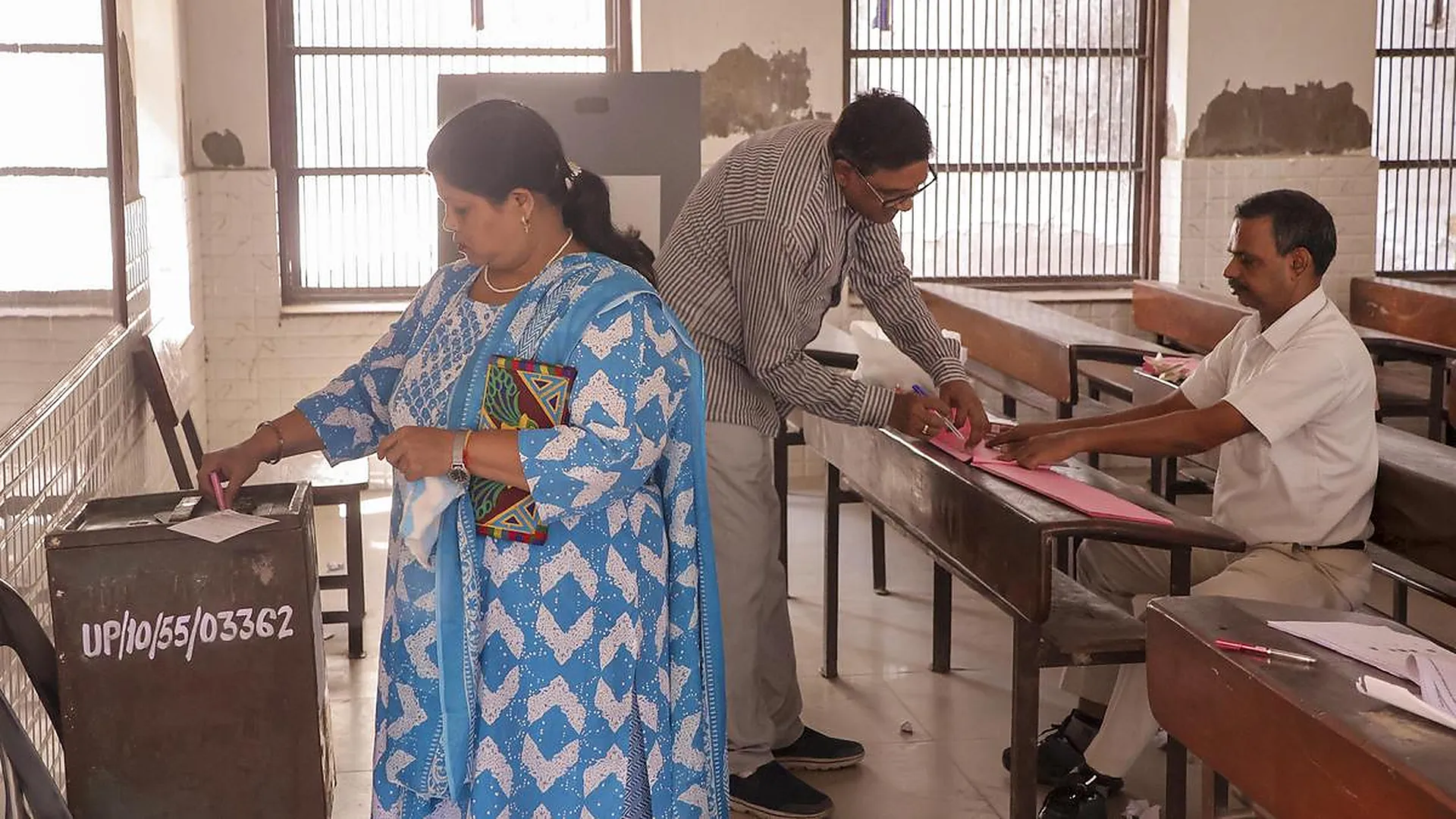
UP MLC Election: EC Orders Repoll at Three Agra Polling Stations After Irregularity Complaints
The Election Commission of India declared voting at three polling stations in the Agra division teachers' constituency for the Uttar Pradesh Legislative Council election void and ordered fresh polling on October 26. The decision has brought election procedures, opposition complaints and scrutiny of polling arrangements into focus.
By Shivani CH • 23 views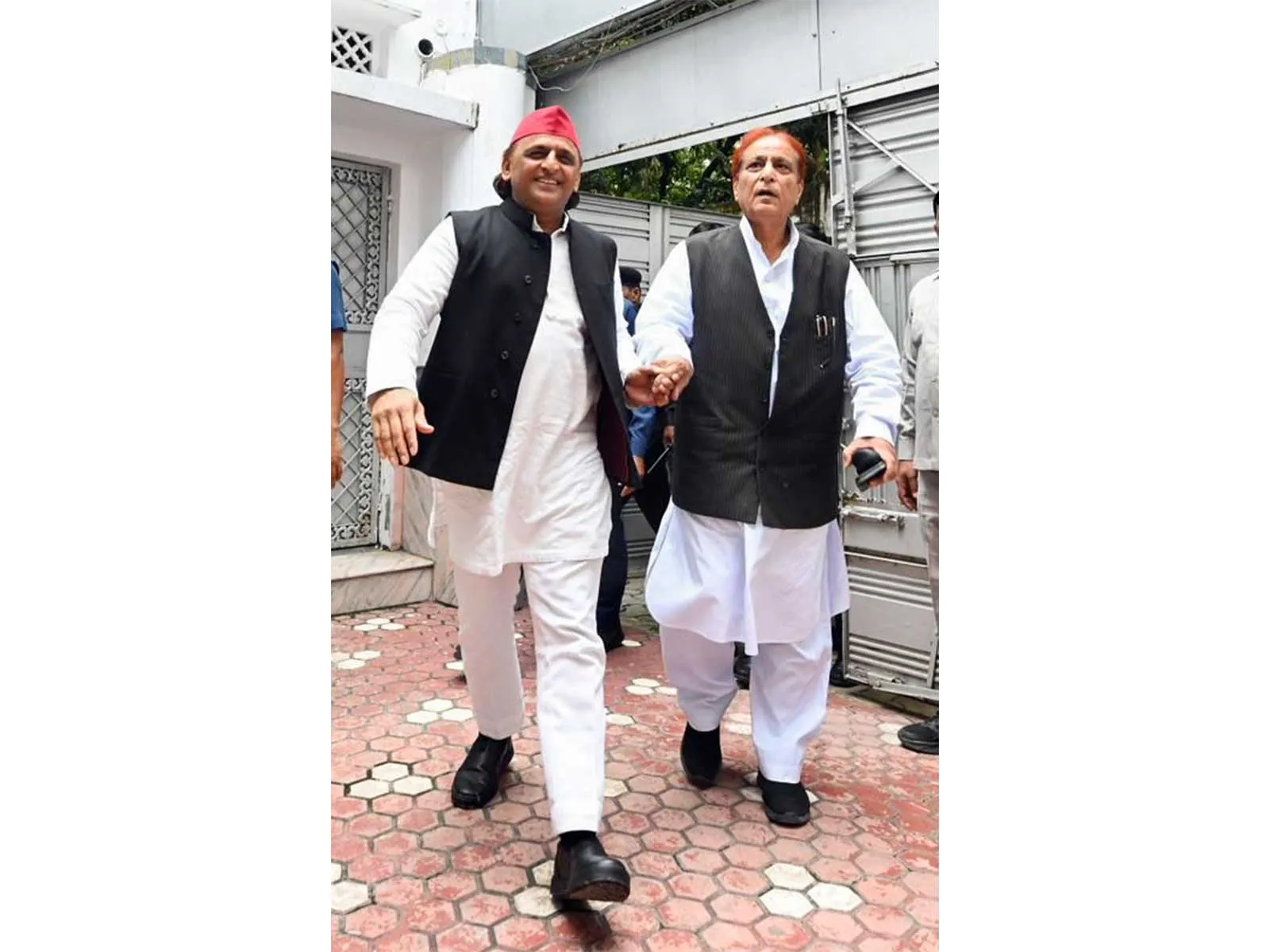
Why Akhilesh Yadav Met Azam Khan in Rampur Jail Ahead of Uttar Pradesh Assembly Polls
Samajwadi Party chief Akhilesh Yadav’s meeting with veteran leader Azam Khan at Rampur district jail signals the party’s effort to maintain its connection with Muslim voters and preserve its political influence in Rampur ahead of the 2027 Uttar Pradesh Assembly elections.
By Haripriya • 26 views